

Life doesn’t slow down. The pace of deadlines, responsibilities, and unexpected challenges often leaves people asking themselves how to manage stress without feeling overwhelmed. If you’ve been searching for ways to improve stress resilience, you’re not alone. The good news is that resilience isn’t something you’re either born with or without—it’s a skill you can strengthen every single day.
In fact, experts now recognize resilience as a trainable skill much like building muscle. With the right daily practices, you can face challenges with more confidence, recover faster from setbacks, and protect your long-term mental health. The strategies in this article will help you discover realistic, science-backed approaches that work in daily life.
One resource that takes these ideas even further is the digital guide Building Resilience Every Day. It provides actionable exercises, practical tools, and lifestyle adjustments to help you develop lasting resilience. But first, let’s explore the mindset shifts and habits that can change the way you respond to life’s pressures.

Stress will always be part of life. The difference lies in how we respond to it. Some people crumble under pressure while others stay calm, adapt, and even grow stronger from the experience. The reason? Resilience.
Building resilience doesn’t mean avoiding hardship. It means adopting coping strategies for stress that protect both your mental and physical health. Research shows resilient people experience:
The benefits go far beyond surviving tough times. They equip you to thrive in your career, relationships, and personal growth.
Developing resilience doesn’t require drastic lifestyle changes. It’s about small, consistent actions that strengthen your mind and body. Here are some effective steps you can start practicing today.
How you start your day shapes how you handle stress later. A balanced morning routine with a few emotional resilience exercises like mindful breathing or journaling helps reset your mindset.
Pair this with nourishing habits such as stretching, a healthy breakfast, or reviewing your priorities. Studies show even 10 minutes of mindful activity in the morning can reduce stress reactivity throughout the day. For inspiration, check out this guide on creating calming evening routines, which pairs well with building resilience during mornings and nights.
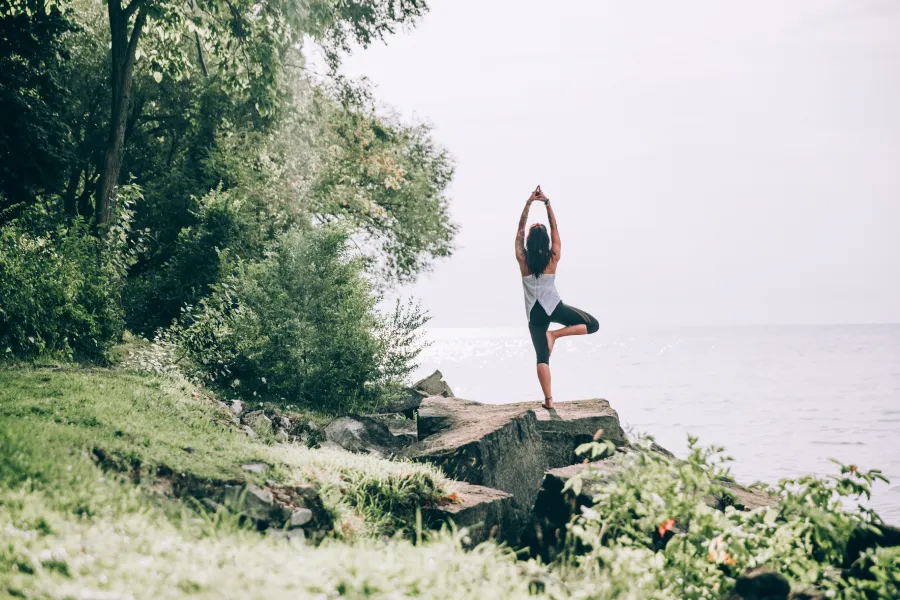
Physical health directly impacts stress resilience. Exercise improves mood, lowers cortisol, and builds confidence. You don’t need hours at the gym—short, consistent movement such as brisk walks, yoga, or cycling can make a noticeable difference.
Even five minutes of movement when you feel tense can help release pressure and reset your mental state.
Stress feels overwhelming when you believe it controls you. Reframing is one of the most powerful mental resilience techniques. Instead of viewing stress as the enemy, see it as information: your body is signaling you to prepare, focus, and adapt.
People who view stress as a challenge instead of a threat perform better under pressure and recover more quickly.
Humans are wired for connection. Studies show social support is one of the strongest predictors of resilience. Talking through challenges with friends, family, or mentors lowers stress and gives perspective.
If you find yourself withdrawing under pressure, intentionally reach out. A five-minute conversation with a supportive person can significantly reduce stress hormones.
The mind and body are deeply connected. Food choices can either drain your resilience or strengthen it. Consuming whole foods, balanced meals, and limiting stimulants like caffeine helps regulate your mood.
For a deeper dive into this link, explore nutrition for emotional balance to see how diet shapes mental health and stress resilience.
Beyond habits, there are specific skills that improve how you manage challenges.
When life feels overwhelming, structured approaches make a difference. Practical coping strategies for stress include breaking big problems into small steps, using time-blocking for tasks, and practicing gratitude daily. These help prevent feelings of helplessness and replace them with action-oriented thinking.
Your emotional strength grows through practice, just like physical fitness. Emotional resilience exercises such as naming your emotions, practicing self-compassion, and guided visualization reduce the impact of stress.
The digital guide Building Resilience Every Day offers structured activities that guide you through these exercises step by step, ensuring consistency and progress.
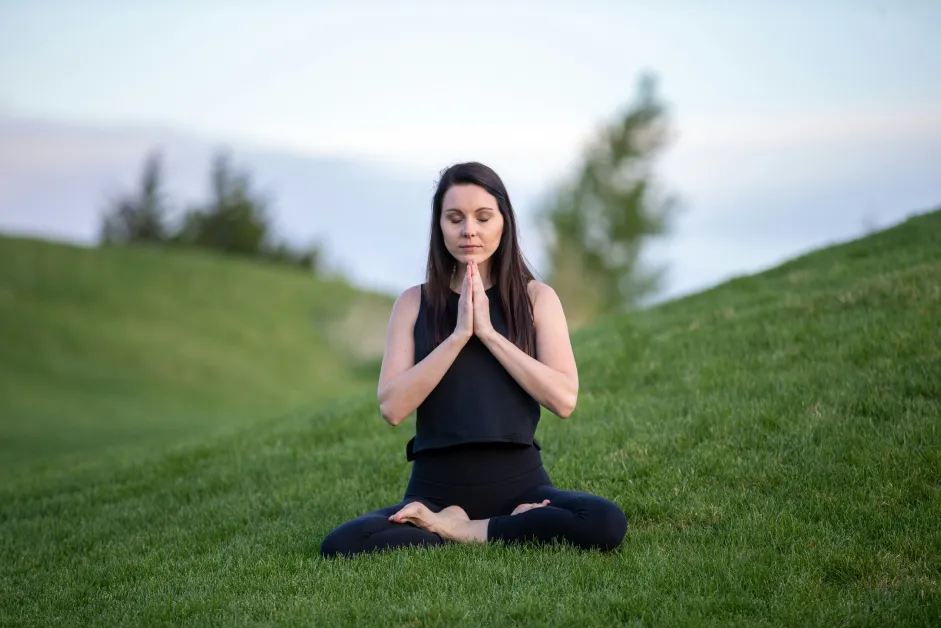
Resilient people don’t just endure stress—they manage it. Learning how to improve stress management skills involves recognizing early stress signals, setting boundaries, and using relaxation techniques like deep breathing.
Practicing these skills prevents burnout and helps you recover energy faster after difficult days.
Resilience isn’t about avoiding discomfort—it’s about developing confidence that you can handle life’s storms. Every time you practice new habits, adopt better coping strategies, and refine your mindset, you expand your ability to adapt.
The great thing is you don’t need to wait for a crisis to begin. Daily resilience-building ensures you are prepared before challenges hit. Whether it’s career stress, family responsibilities, or unexpected events, resilience helps you protect your energy and keep moving forward.
This is exactly what Building Resilience Every Day was designed to do. It equips you with practical, actionable tools you can apply immediately. From mental strategies to emotional exercises, this guide bridges theory and practice, ensuring your resilience grows daily.
Stress will always be part of life. What changes is how you respond. By exploring proven ways to improve stress resilience, you set yourself on a path toward greater balance, mental strength, and well-being.
Practical actions—morning routines, physical activity, mindset shifts, supportive connections, and mindful nutrition—are your daily building blocks. Skill-based tools like coping strategies, resilience exercises, and stress management training make your foundation even stronger.
Start with one habit, add a second, and keep practicing. Over time, you’ll notice you react differently to pressure. You’ll bounce back faster, feel calmer, and carry a greater sense of control.
And if you want structured, step-by-step guidance, the digital ebook Building Resilience Every Day is a powerful resource to help you move forward with clarity and strength.

If you have any questions, here are some useful links:









Leave a comment
You must be logged in to post a comment.