

Stress feels like an unavoidable part of modern life. Deadlines, constant notifications, and never-ending responsibilities can push anyone to their limits. But learning the right coping strategies for stress can completely shift how you handle challenges. Instead of feeling drained, you start to feel steady, capable, and in control. This isn’t about ignoring stress—it’s about building resilience so that stress no longer dictates your days.
One resource that helps many people take control is Building Resilience Every Day. It’s a digital guide that brings science-based tools together in one practical format, making resilience something you can practice every single day. The strategies inside go beyond theory—they give you actions that fit into real life.

When most people think of stress relief, they picture bubble baths or short breaks. While helpful, these don’t address deeper patterns. True coping strategies for stress require a daily system. Habits like morning breathing, journaling at night, or practicing gratitude strengthen your mind just like exercise strengthens muscles.
In fact, research shows that integrating small changes every day has a compound effect. Over weeks, you feel calmer, your reactions change, and challenges feel manageable. That’s where guides like Building Resilience Every Day shine. They give you clear steps that make resilience second nature instead of another item on your to-do list.
Another key element? Sleep. Rest is the foundation of stress recovery. Without it, no strategy works. A resource worth exploring is this article on sleep hygiene habits. It explains how simple changes in evening routines restore deep rest, which directly reduces stress.
Your body may feel the physical weight of stress, but your thoughts fuel it. Building mental resilience isn’t about suppressing negative thoughts; it’s about shifting how you process them.
Practical mental resilience techniques include mindful awareness and reframing. Instead of thinking, “I can’t handle this,” you train your mind to ask, “What’s one thing I can do right now?” That subtle shift reduces panic and sparks solutions.
The guide Building Resilience Every Day offers structured exercises that help retrain your thinking. These aren’t abstract lessons—you get tools that you can apply at work, during family conflicts, or when life feels overwhelming.
Pairing these tools with resources like this piece on the connection between diet and mental health strengthens results. Food choices directly influence your mood and stress resilience. Nutritious eating works hand in hand with resilience practices to help you feel balanced.
Emotions are powerful. Ignoring them only makes stress worse. One of the most effective coping strategies for stress is engaging in emotional resilience exercises.
These can include:
Emotional regulation is a skill, not an inborn trait. The more you practice, the better you become at calming your body during stressful events.
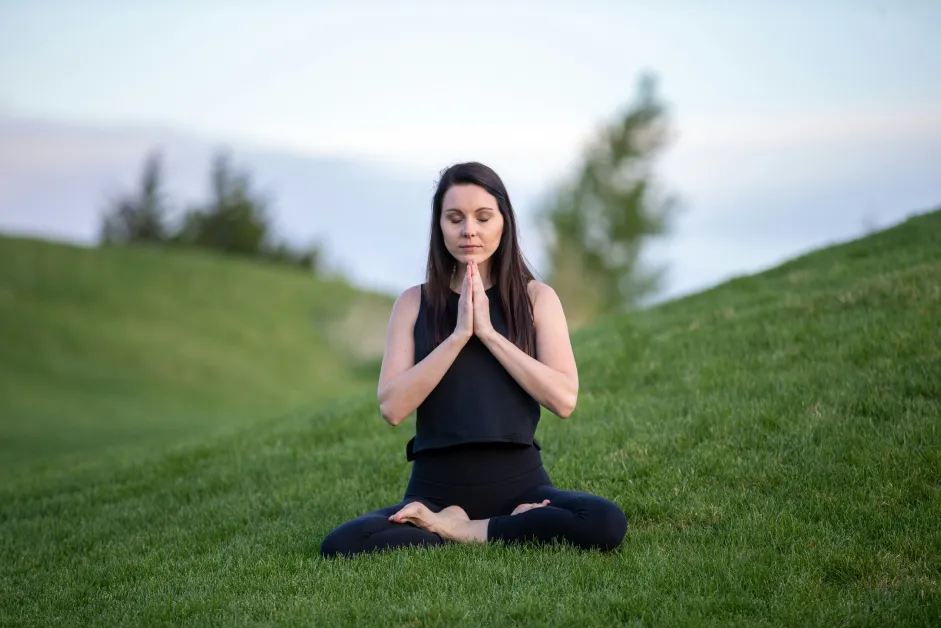
Stress doesn’t vanish when you avoid it—it lessens when you learn to manage it better. That’s why learning how to improve stress management skills is a game changer.
Practical skill-based approaches include:
As these skills build, confidence grows. You stop fearing stress because you know you can manage it. This sense of control is what resilience is all about.
Some people think resilience is genetic—you either have it or you don’t. But science proves otherwise. Resilience is a trainable skill, just like math or cooking.
Exploring how to build resilience to stress shows that it’s the consistent, daily practices that matter most. Whether you’re practicing gratitude journaling, structured breathing, or mindful reframing, the effect compounds.
Over time, stress becomes less about chaos and more about growth. You start seeing challenges as training grounds rather than roadblocks. This mental shift improves health, relationships, and even career opportunities.
Modern life often pushes us into habits that fuel stress—overwork, irregular sleep, and poor food choices. Real resilience happens when your lifestyle supports your well-being.
Exploring ways to improve stress resilience often reveals overlooked opportunities:
Every lifestyle adjustment acts as an anchor. The stronger these anchors, the steadier you feel when storms come.

You don’t master resilience in a day. It’s not about one breakthrough moment. It’s about layering small practices that make you stronger week by week.
That’s why resources like Building Resilience Every Day matter. They transform theory into daily action. Instead of vague advice, you receive clear instructions, exercises, and tools that become habits.
With daily practice, resilience stops being a buzzword and becomes your default response. Stress still comes—but it no longer controls your life.

If you have any questions, here are some useful links:









Leave a comment
You must be logged in to post a comment.