

Stress is everywhere—at work, at home, in relationships, and even in the quiet moments when your mind won’t stop racing. Yet, not everyone reacts to stress in the same way. Some people crumble, while others stay grounded and bounce back faster. The difference lies in knowing how to build resilience to stress. This essential life skill is not about avoiding pressure but learning how to face challenges head-on, adapt, and recover stronger than before.
If you’ve ever wondered why some individuals seem to thrive despite overwhelming demands, it often comes down to their everyday practices. The good news? You can cultivate the same strength. Practical methods, thoughtful exercises, and consistent habits make resilience less of a mystery and more of a lifestyle.
One of the most effective resources on this subject is the digital ebook Building Resilience Every Day, a step-by-step guide that provides not only insights but also actionable practices to strengthen your emotional core.

Modern life demands constant multitasking, endless deadlines, and the emotional weight of uncertainty. Without resilience, stress becomes overwhelming and can lead to burnout. Learning how to build resilience to stress gives you tools to remain steady during chaos and maintain your health, productivity, and peace of mind.
Resilient people develop inner stability that protects them when challenges arise. They don’t deny difficulties, but they maintain perspective, regulate emotions, and recover quickly.
And resilience doesn’t happen by chance. It’s the result of training your mind and body with proven strategies. Resources like Building Resilience Every Day emphasize daily exercises and small, repeatable practices that turn into long-term habits.
Stress resilience grows stronger when you address it from different angles—mental, physical, and emotional. Everyday practices make the difference between reacting impulsively and handling situations with calm clarity.
One effective method is exploring ways to improve stress resilience through structured breathing, physical activity, and mindful reflection. These activities regulate your nervous system and train your brain to respond rather than react.
You can also improve resilience through consistent routines. For example, adopting balanced bedtime habits makes recovery easier. The article Bedtime Rituals for Better Sleep shows how small evening changes dramatically improve rest, helping your mind reset for the next day’s challenges.
Mental training is as important as physical strength. Practicing focused awareness helps you see challenges from a broader perspective. Simple mental resilience techniques, such as mindfulness meditation, journaling, or reframing negative thoughts, build long-term stability.
Instead of letting stress dictate your thoughts, you consciously shape how you respond. Journaling, for instance, organizes your mind and reduces emotional clutter. Pair that with reflection exercises from Building Resilience Every Day, and you’ll notice a shift in your clarity and control.
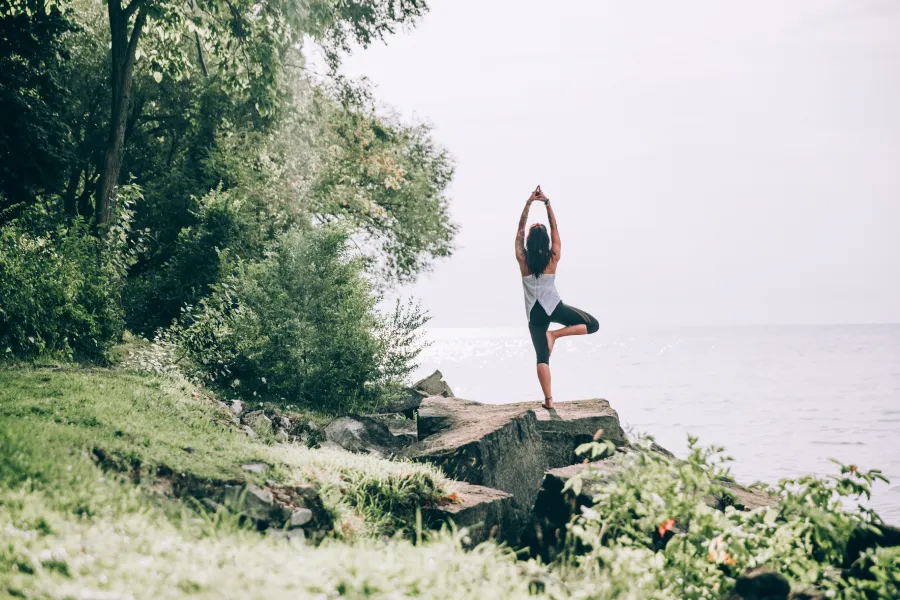
Life doesn’t pause when you feel stressed, so learning practical coping strategies for stress is essential. Some strategies include:
Another overlooked strategy is nutrition. Food affects your energy, focus, and emotional stability. The article How Food Affects Your Mood explores how everyday meals shape stress responses. Pairing mindful eating with resilience exercises amplifies your ability to remain calm.
Your emotions often react faster than your logic. Training them makes resilience sustainable. Simple emotional resilience exercises—such as gratitude practices, self-compassion routines, and deep breathing—help you regulate intense feelings.
One of the benefits of Building Resilience Every Day is its structured emotional training. Instead of vague advice, it provides daily exercises you can implement in just minutes. This makes resilience part of your lifestyle rather than an occasional fix.
Stress often builds in familiar environments—your workplace or your household. That’s why focusing on how to improve stress management skills is crucial. Practical tips include:
At work, this might mean setting aside time blocks for high-focus tasks. At home, it could mean creating tech-free hours to restore mental calm. Consistency strengthens your resilience, allowing you to handle both personal and professional stress with composure.
Resilience isn’t just about surviving tough times. It transforms how you live daily life. The benefits of resilience include:
The structured approach in Building Resilience Every Day ensures that these benefits don’t stay theoretical. With consistent exercises, readers report feeling calmer, more capable, and more balanced in just weeks.

Learning how to build resilience to stress is not about reaching perfection. It’s about building habits that make you stronger every single day. When challenges arise, resilience ensures you remain steady, focused, and prepared to adapt.
Practical tools—from breathing exercises to journaling and mindful eating—make resilience a skill you can practice at any age. The digital guide Building Resilience Every Day ties these elements together, giving you a framework for daily application.
By making resilience part of your lifestyle, you don’t just survive stress—you grow from it.

If you have any questions, here are some useful links:









Leave a comment
You must be logged in to post a comment.