
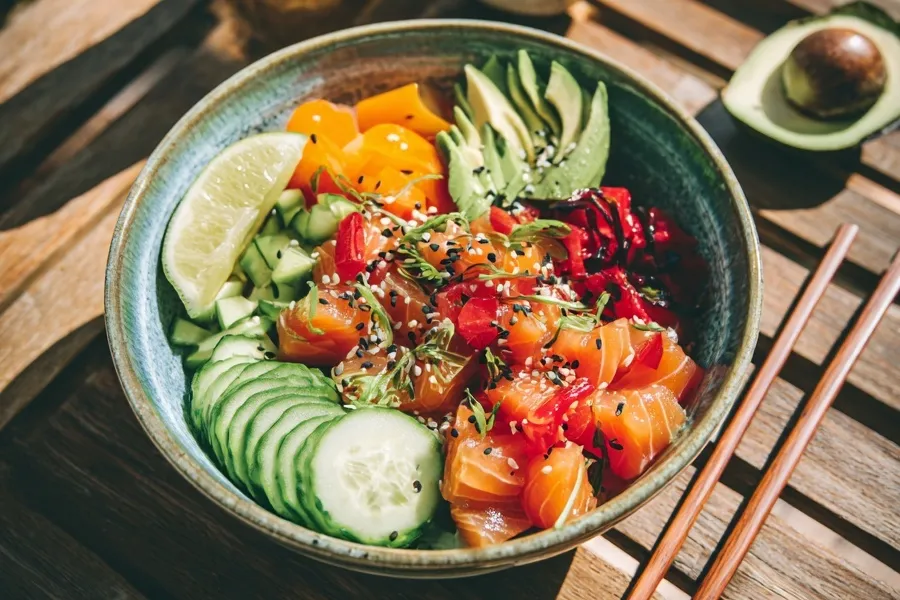
Most people think of food as a way to fuel the body. But few stop to ask themselves how food affects your mood. Every bite you take has the potential to either lift your spirits or weigh you down. The connection between nutrition and emotions is backed by science, yet many still ignore it in their daily choices.
Mood swings, lack of focus, or unexplained irritability are often blamed on stress or sleep. While those factors matter, your plate may carry more influence than you imagine. Exploring this link gives you the chance to improve emotional balance without relying on quick fixes.
That’s where the How Food Shapes Your Mood Guide becomes so valuable. It translates complex research into practical advice, helping you shape your diet in ways that support both mind and body.

Breakfast sets the foundation for the day. Choose wisely, and you’ll enjoy steady energy and a positive outlook. Skip it, or load up on sugar, and you’ll face irritability and lack of concentration before lunch.
Whole grains, protein, and fruit create the balance needed to stabilize blood sugar. This avoids the mid-morning crash that drags both mood and performance down. Even small tweaks, like swapping pastries for oatmeal with nuts, make a difference.
The How Food Shapes Your Mood Guide highlights practical examples of morning meals that fuel emotional balance without requiring complicated recipes. These strategies save time and keep energy steady.
Stress often leads people to crave comfort food. The problem? Those high-sugar or high-fat choices create temporary relief followed by fatigue and anxiety. Instead of easing stress, they amplify it.
Adding foods that boost happiness helps regulate emotional responses. Salmon, walnuts, and chia seeds supply omega-3 fatty acids, which reduce stress hormones. Dark leafy greens deliver magnesium, calming both muscles and nerves.
The connection between diet and mental health is clear. Studies show people who eat nutrient-rich diets report lower rates of anxiety and depression. Processed-heavy diets, by contrast, contribute to inflammation and emotional instability.
This is where the How Food Shapes Your Mood Guide becomes practical. It explains how to select nutrient-dense meals when cravings strike, so you don’t fall into habits that worsen your stress.
The dreaded afternoon slump is familiar to many. Reaching for coffee or candy provides quick stimulation but leaves you more drained later. Instead, the right snack can lift both body and spirit.
Protein-rich snacks like hummus with vegetables or Greek yogurt give steady fuel. Pairing these with complex carbs such as sweet potatoes or quinoa helps the brain produce serotonin, the “feel-good” chemical. Fruits like oranges and berries provide antioxidants that reduce fatigue.
Practicing healthy eating for stress relief makes it easier to stay emotionally balanced during long workdays. Even simple swaps matter. Replacing soda with herbal tea reduces sugar spikes, improves hydration, and calms the nervous system.
The How Food Shapes Your Mood Guide offers easy snack ideas designed for focus and energy. With these tools, you’ll notice fewer mood crashes and better productivity.

Your daily meals add up over weeks and months. Just as consistent poor choices lead to long-term health problems, mindful eating builds emotional resilience. Nutrient-dense foods support the brain, lower inflammation, and help regulate hormones that govern mood.
Incorporating nutrition for emotional balance doesn’t require drastic changes. Start with small, sustainable shifts:
Over time, these habits reduce mood swings, sharpen mental clarity, and boost emotional stability.
The How Food Shapes Your Mood Guide helps you stay consistent by breaking big goals into manageable steps. It simplifies meal planning, so you never feel overwhelmed.
Food doesn’t act alone. Sleep and stress management strongly influence emotions. Pairing better nutrition with supportive routines strengthens results.
For example, combining balanced eating with the habits described in bedtime rituals for better sleep makes a powerful difference. Poor sleep increases cravings, disrupts hormone balance, and leaves you more reactive. Good sleep, combined with nourishing food, supports stable moods and better decision-making.
Mindful lifestyle choices create synergy. Together, they create an environment where your body feels supported and your emotions remain steady.
Many people know what they should eat but struggle with consistency. That’s where structured resources come in. The How Food Shapes Your Mood Guide provides:
By following clear, practical steps, you can avoid confusion and stay motivated. The guide focuses on sustainable change, not short-term fixes.
Your emotions shape how you live, work, and connect with others. Food is one of the most direct ways to influence them. By choosing nourishing meals, you create the foundation for focus, patience, and emotional resilience.
The How Food Shapes Your Mood Guide is not about dieting. It’s about building a lifestyle that supports both body and mind. Whether you want sharper focus at work, calmer responses to stress, or simply more consistent energy, food choices play a central role.

Food is never just fuel. Every choice you make has the power to shape your emotions. Understanding how food affects your mood helps you make smarter decisions, bringing both physical health and emotional stability.
With resources like the How Food Shapes Your Mood Guide, you can confidently put this knowledge into practice. Pairing the right meals with supportive habits like bedtime rituals for better sleep ensures your body and mind stay balanced in the long run.
The small steps you take today will create lasting improvements tomorrow. Better meals mean better moods—and that’s a choice worth making.

If you have any questions, here are some useful links:









Leave a comment
You must be logged in to post a comment.